Digging for Dinosaurs in Antarctica
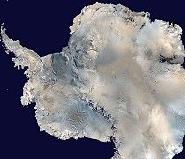
Some people are surprised when they find out that dinosaurs lived on Antarctica. During the Mesozoic Era, Antarctica had no ice, and was actually near the equator of the Earth! It was a warm place then, and many dinosaurs lived here.
 UANT's
Dinosaur Excavation Commission sends out expiditions around the
continent and digs up dino bones for the Antarctica Museum's growing
dinosaur exhibit. Only eight kinds of dinosaurs have been uncovered
here so far, however, the latest in 2004 (see
article in US- National Geographic).
UANT's
Dinosaur Excavation Commission sends out expiditions around the
continent and digs up dino bones for the Antarctica Museum's growing
dinosaur exhibit. Only eight kinds of dinosaurs have been uncovered
here so far, however, the latest in 2004 (see
article in US- National Geographic).
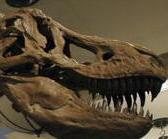
By far the most controversial dinosaur is Antarctosaurus (bones pictured below).
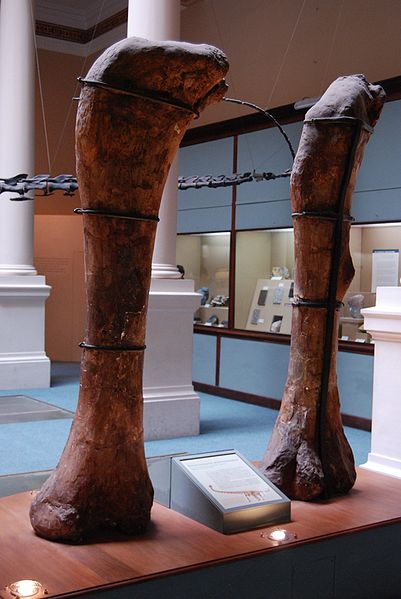 This
great lizard was a sauropod that fed on plantlife. The reason so few have been found is that their skeletons are under
a mile or more of ice in some cases. Our continent has many more, surely, hiding there
under the ice. Digging
for dinosaurs is very difficult here, but they may be, along with
the other plants and animals of the past, preserved much better
than anywhere else on Earth!
This is why Antarctic digs are especially valuable in paleontology
and archeology.
This
great lizard was a sauropod that fed on plantlife. The reason so few have been found is that their skeletons are under
a mile or more of ice in some cases. Our continent has many more, surely, hiding there
under the ice. Digging
for dinosaurs is very difficult here, but they may be, along with
the other plants and animals of the past, preserved much better
than anywhere else on Earth!
This is why Antarctic digs are especially valuable in paleontology
and archeology.
Cryolophosaurus is the name of another interesting species found here, discovered in 1991, his name means 'iced over, crusted-head lizard'. It ate meat and was rather small at 3m high, nowhere near the size of a Tyrannosaurs Rex or an Allosaurus.
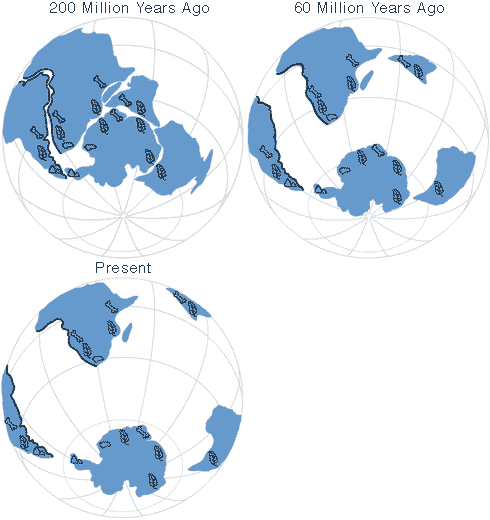
Antarctica, one recalls, was part of Pangaea 250 million years, and slowly drifted away during the Mesozoic Era. At the time, amphibians four meters long lived in lakes, while half meter long dragonflies flew overhead. Soon after, about 200 mya, Pangaea split into Laurasia (north) and Gondwana (south) The climate of Antarctica was then like that of Florida or Greece today.
|
The Legend of Antarctosaurus How did people ever come to Antarctica? Dinosaurs and Antarctica were both discovered in the 1820s, and according to a local tribal elder, this is not a coincidence. "The dinosaur Antarctosaurus brought people- and their whole city- here a long, long time ago", the elder says. "When the trip was over, the dinosaur gave itself up for meat in order to allow the first ones to survive that winter in darkness. It was the biggest animal that has ever lived on this planet, and it's bones are buried somewhere here under the ice. Without Antarctosaurus, the entire sequence of historical events would have been different. Do NOT dig up his bones, for he said to the ancients that he was tired and wants to rest in peace for all times to come."
|
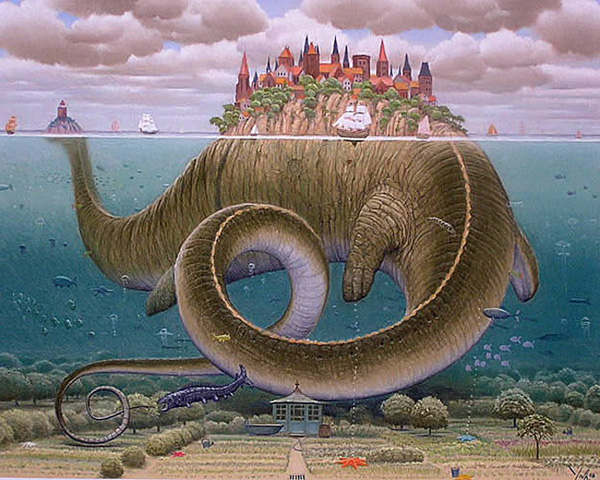
By 175 million years ago, carnivore and herbivore both called this land home, along with smaller mammals (mammal like reptiles). Pterosaurs flew overhead. UANT sponsors and is expanding research into dinosaurs and other prehistoric animals... on the 7th Continent!
------------------------------------------------------------------------------
 Just
in time for the holidays- get your
friend a plush Antarctosaurus for only Å89
in limited edition! Each unit is individually tagged and scented
with a delicate perfume, Email
Orders only for a limited time, first come-first serve basis.
Just
in time for the holidays- get your
friend a plush Antarctosaurus for only Å89
in limited edition! Each unit is individually tagged and scented
with a delicate perfume, Email
Orders only for a limited time, first come-first serve basis.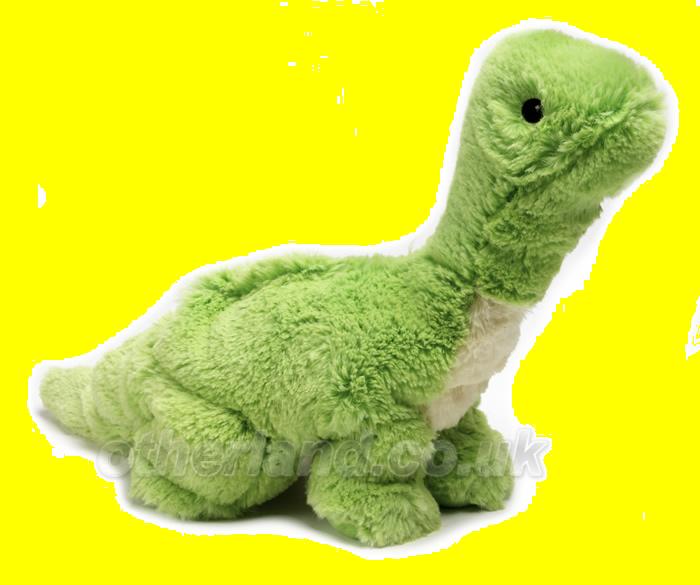
ANTARCTOSAURUS
PLUSH ANIMAL!
